- Van Gogh /
-
A Van Gogh for your study
Which Van Gogh paintings belong in a study?
A study is not only a room with books. It is a room for reading, writing, letters, unfinished thoughts, and the kind of silence in which a life of the mind becomes visible. That makes certain Van Gogh paintings feel especially at home there. Some contain books directly. Others carry the presence of writers, friendship, admiration, tension or reflection. Together, they belong to the world of a painter for whom literature was never a side interest, but part of life itself.“The love of books is as sacred as that of loving Rembrandt, and I even think that the two complement each other.” - Vincent van Gogh
For those looking for a suitable Van Gogh replica for a study, the paintings below offer a few especially fitting choices.
Books on the table
The Novel Reader may be the most natural Van Gogh painting for a study. It is not only about reading, but about the inward silence that reading creates. The figure is physically present, yet mentally elsewhere, absorbed in another world. That makes the painting feel perfectly suited to a room where concentration, retreat and sustained attention matter.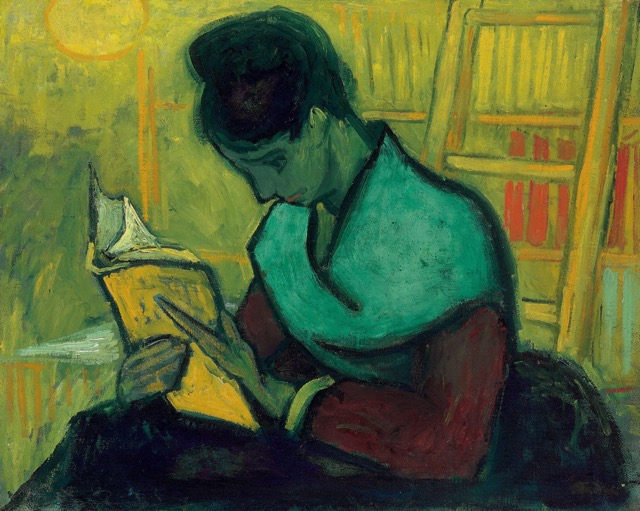
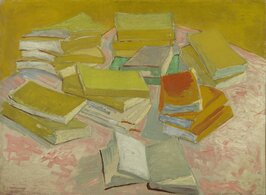
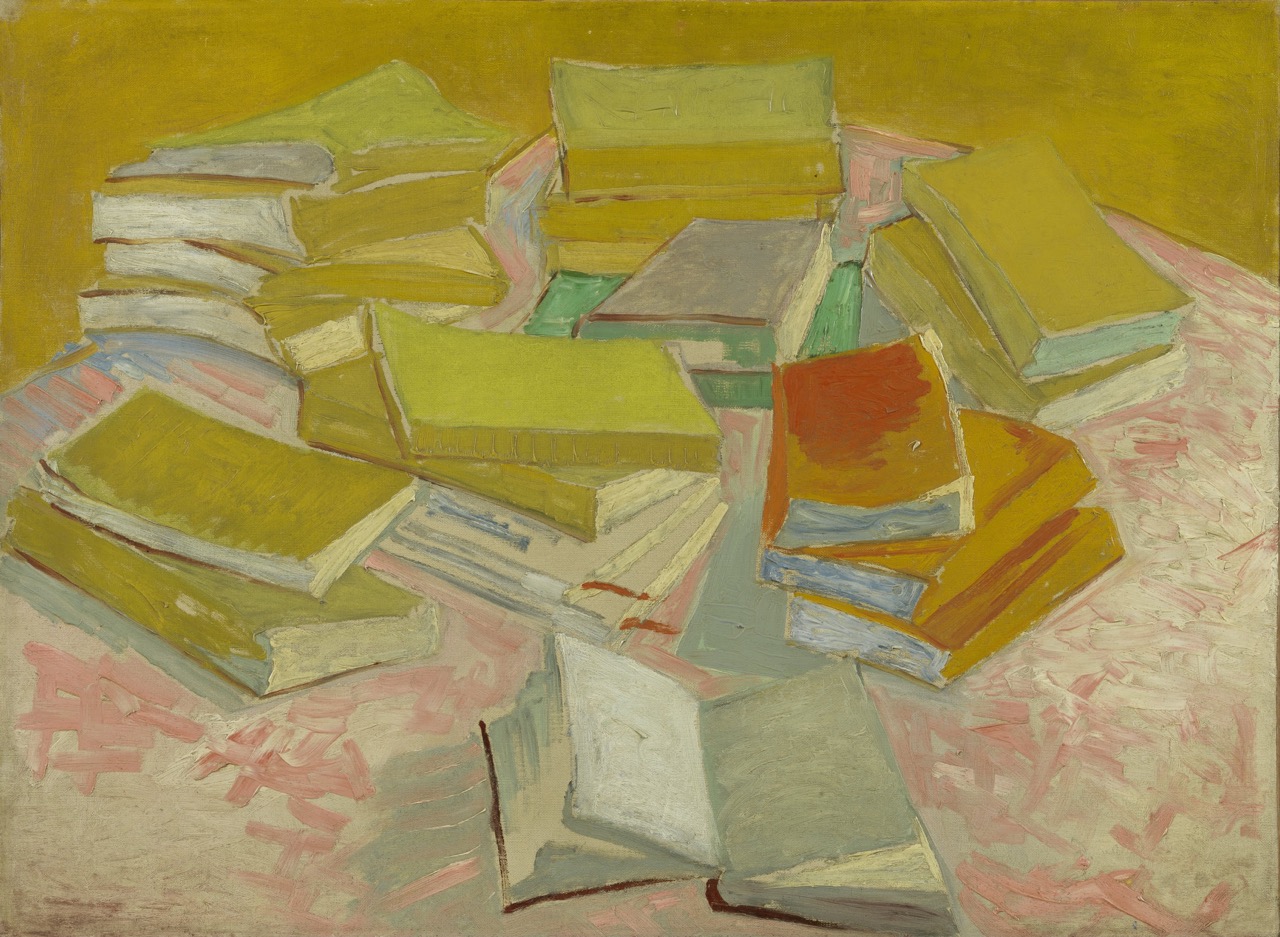
Piles of French Novels turns books themselves into something intimate. These are not trophies or symbols of status. They seem handled, lived with, returned to. In a study, the painting can feel less like decoration than like recognition.
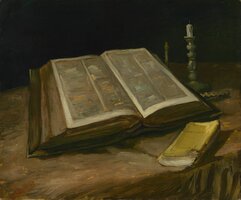
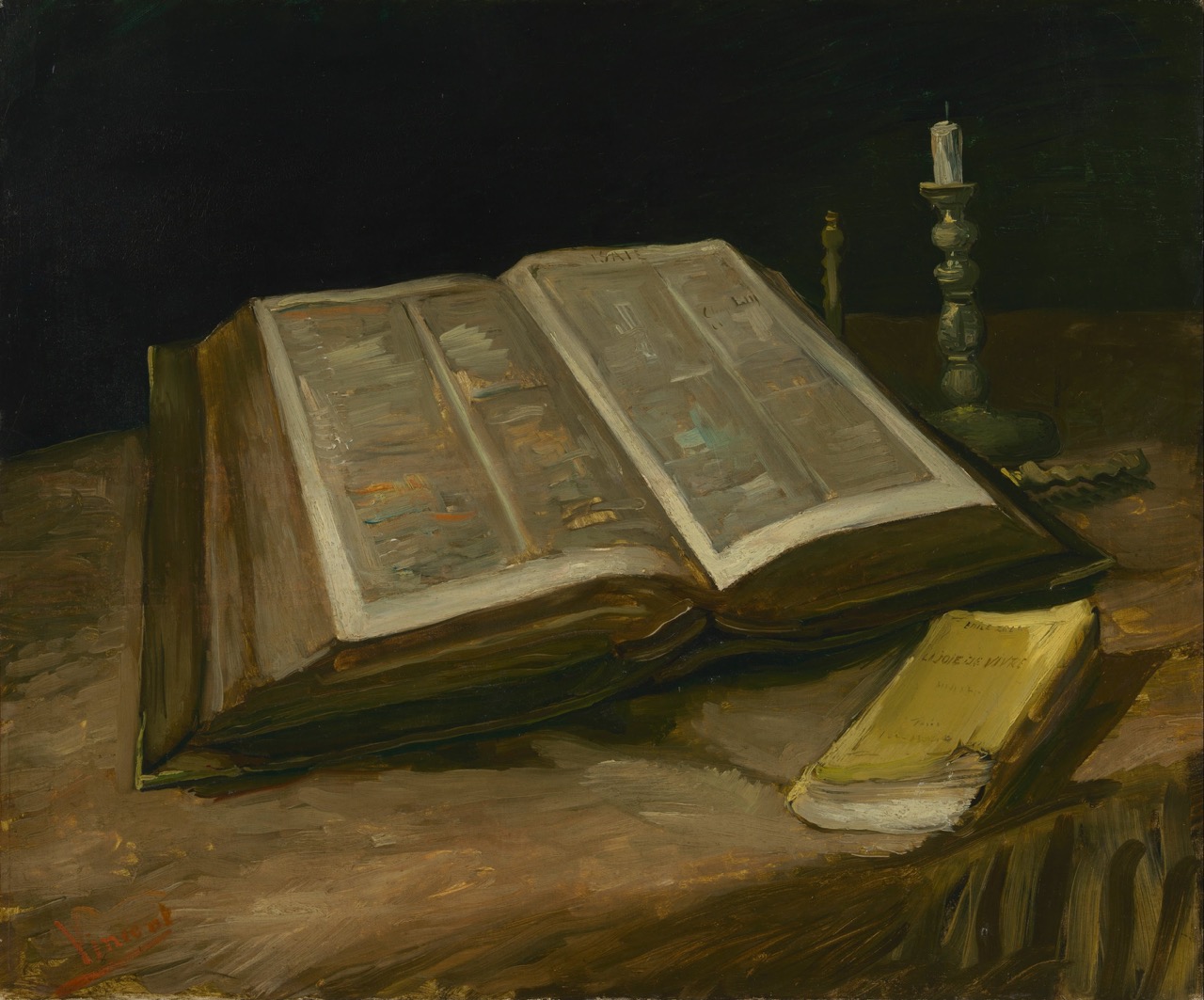
Still Life with Bible gives the theme of books a deeper emotional charge. This is not simply a painting of books on a table. The large Bible had belonged to Van Gogh’s father, while the small yellow book is Émile Zola’s La joie de vivre. That contrast makes the painting quietly moving. It suggests not only two books, but two inner worlds: the faith and authority of his father on the one hand, and Vincent’s own more modern, literary and searching mind on the other. In a study, it feels especially powerful, because the contrast is not only between two books, but between two lives: his father’s world and Vincent’s own.
Friendship, books and comfort
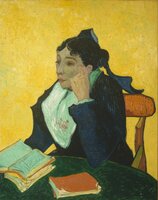
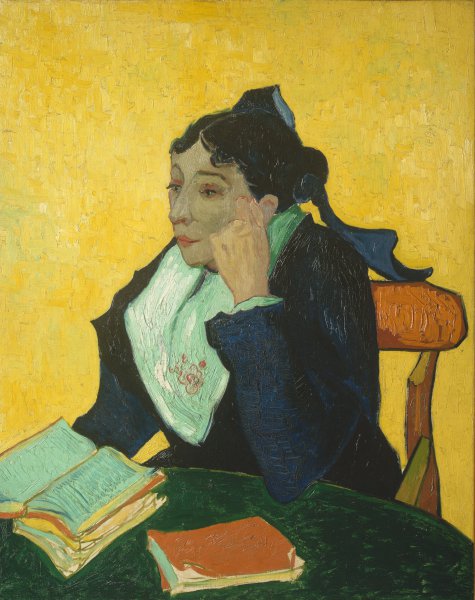
L’Arlésienne brings a softer literary atmosphere. The books on the table matter, but so does the woman herself. Multiple sources identify the books as Dickens and Harriet Beecher Stowe, and they help give the painting a mood of comfort, sympathy and inwardness.Madame Ginoux was not just a sitter, but a real friend to Van Gogh, someone he sought out again even while living in Saint-Rémy. In a study, the painting can suggest that books are not only for solitude, but also part of friendship, consolation and emotional life.
Letters, writing and daily ritual
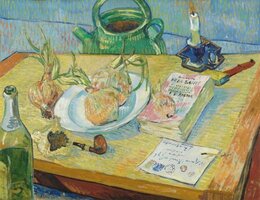
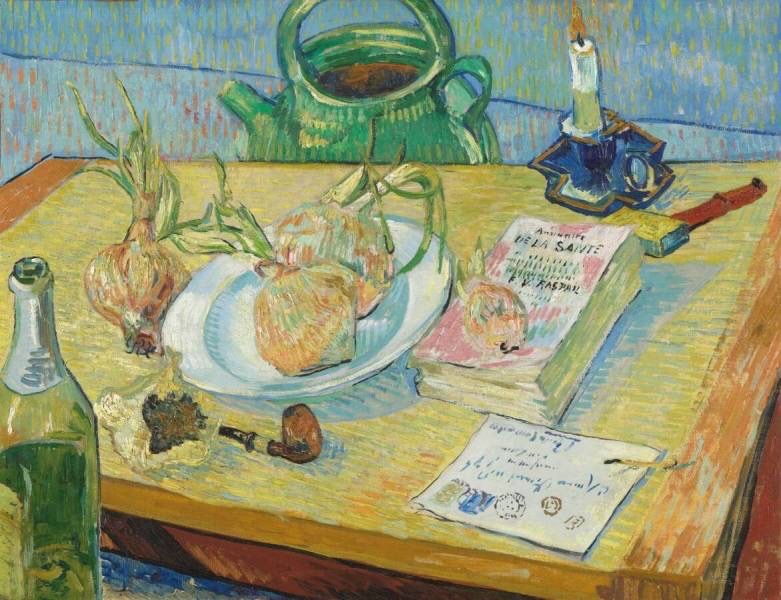
Still Life with a Plate of Onions is one of the most unusual and appealing study paintings in this group. At first glance it seems domestic and almost humble. Yet the letter from Theo, the candle, the sealing wax and the book give it a more inward atmosphere.It feels like a table where ordinary life and mental life quietly meet: food, reading, writing, recovery and the attempt to gather oneself again.
A reflective mind
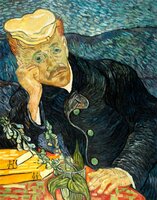
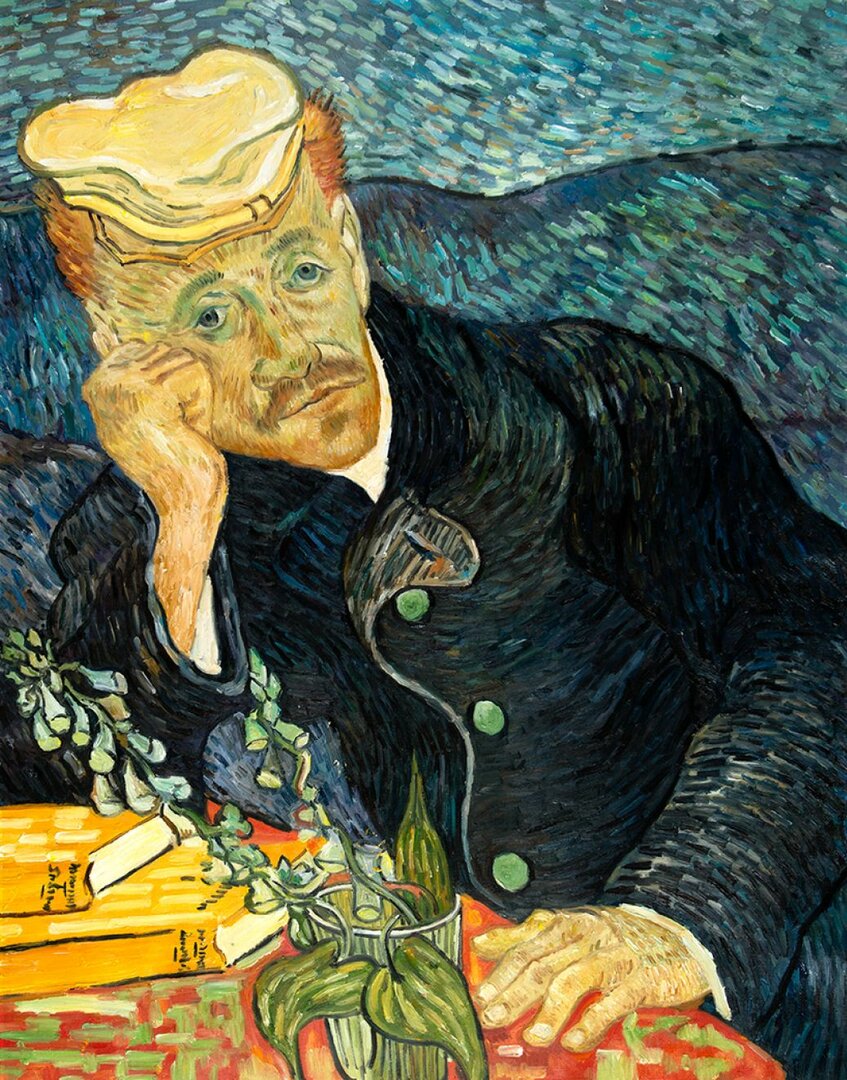
Portrait of Dr. Gachet belongs naturally in a study because everything about it suggests reflection. Books lie on the table beside him, and Gachet himself was not only a physician but someone deeply engaged with art and ideas.That gives the portrait an unmistakably intellectual atmosphere. In a study, it brings not only character, but the presence of a thoughtful and melancholic mind.
Influence and intimidation
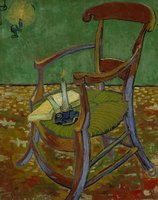
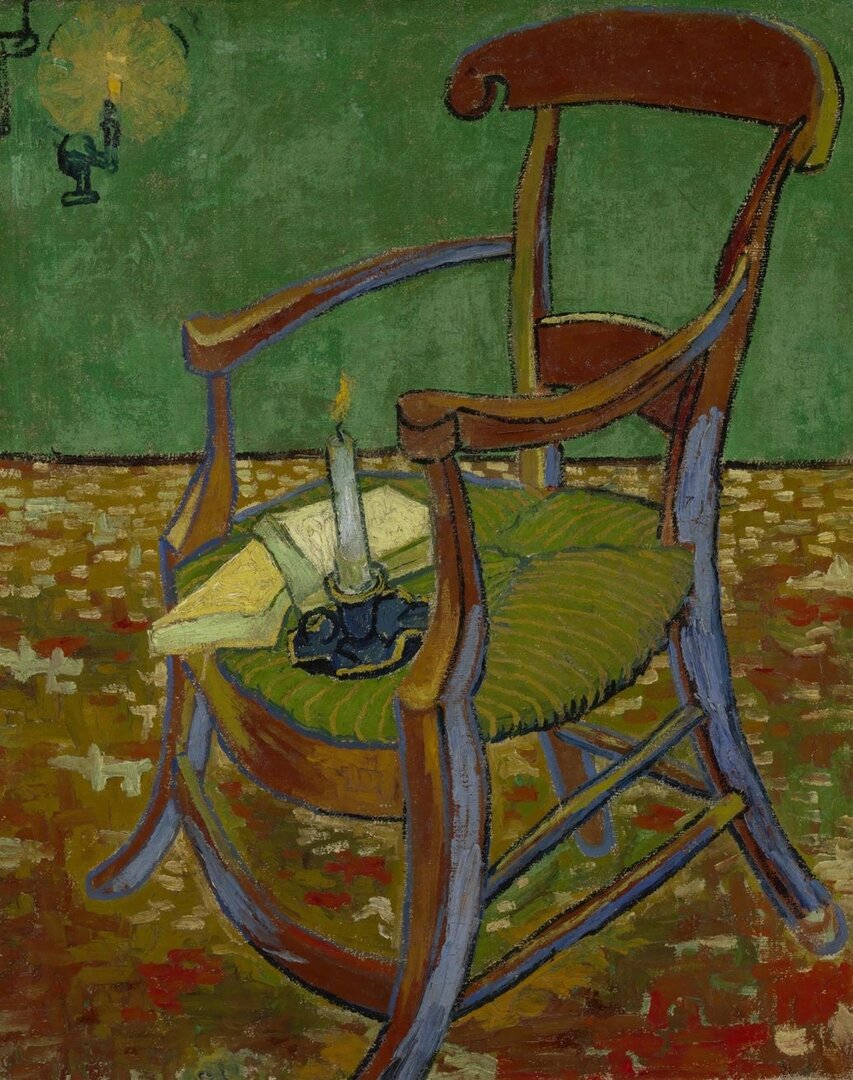
Gauguin’s Chair is one of the most psychologically charged works in this group. The books on the seat are not neutral details. They help define Gauguin as a more worldly, cultivated and forceful presence.That makes the painting more than a chair portrait. It carries something of Van Gogh’s uneasy admiration for Gauguin. In a study, it can bring not only literary association, but the human drama of influence, intimidation and artistic tension.
Literary presence beyond books
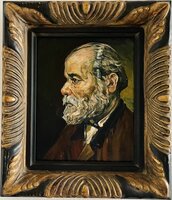
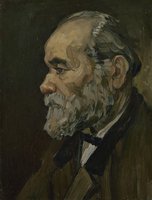
Old Man with a Beard works for a study in a less obvious but very appealing way. Van Gogh thought the sitter’s full beard made him resemble Victor Hugo. That small association is enough to shift the painting into a literary world.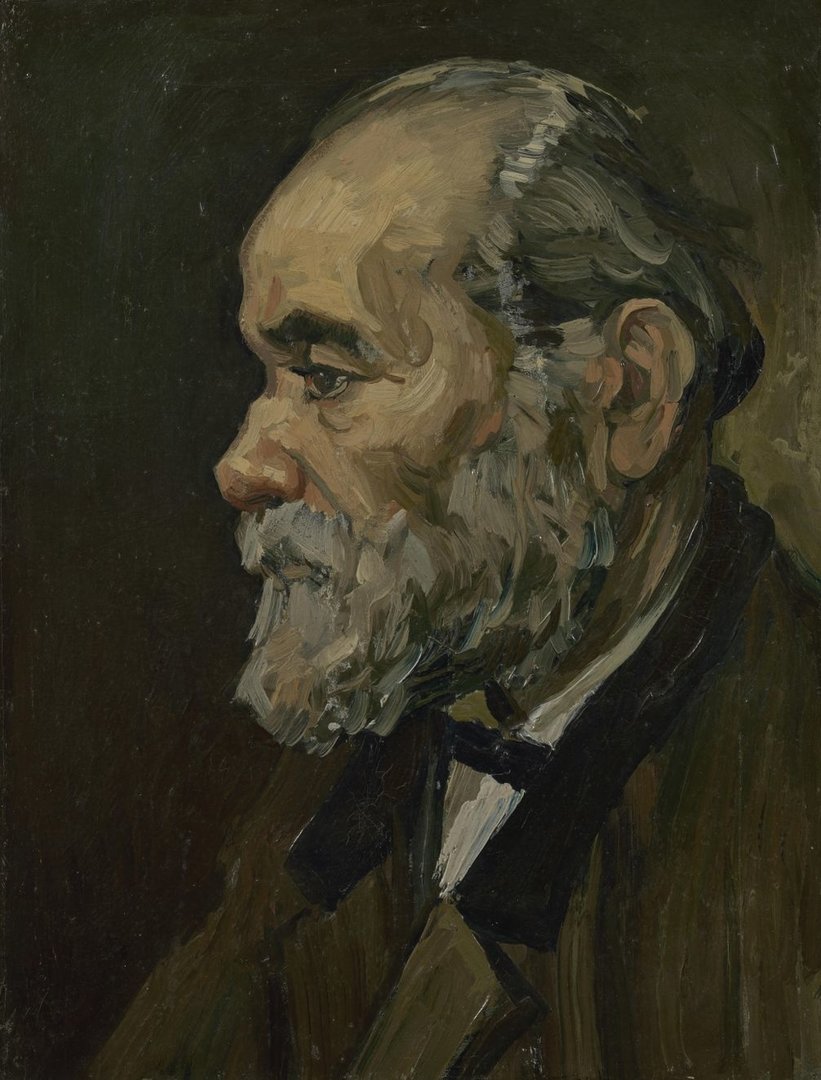
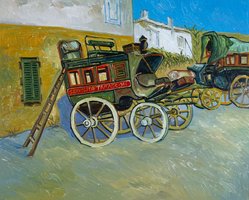
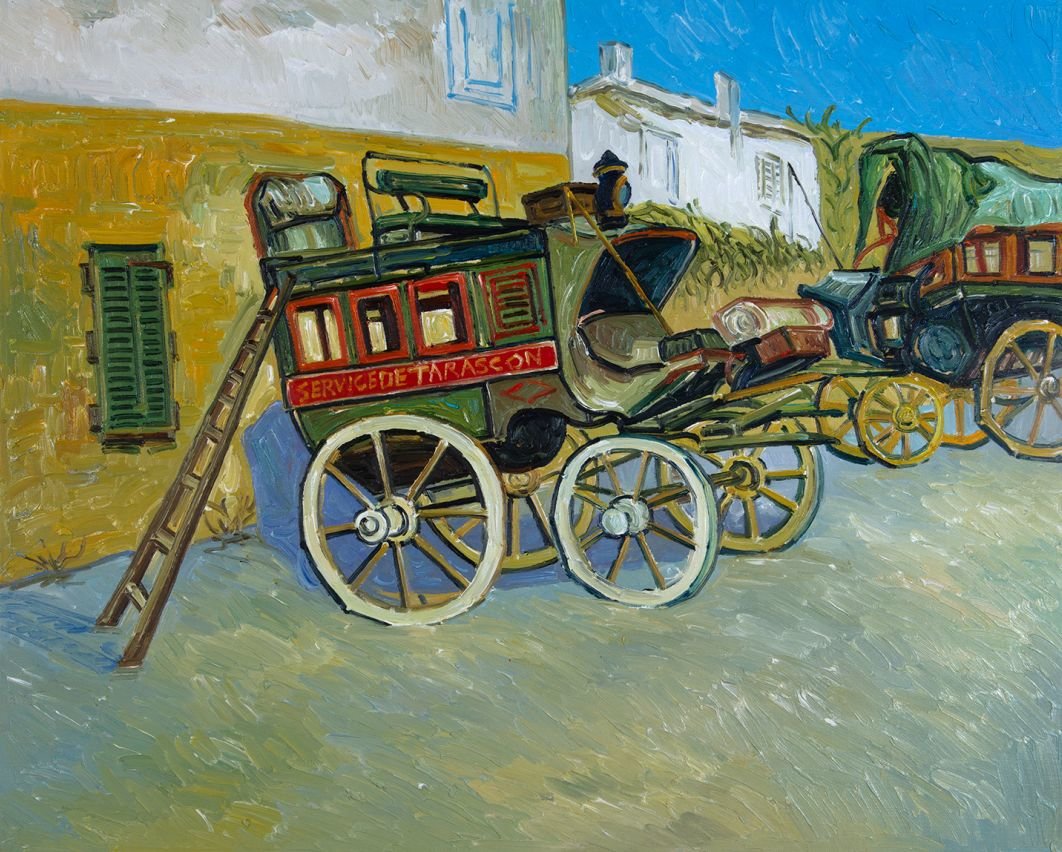
The Tarascon Diligence adds something lighter and more playful. Van Gogh himself linked the diligence to Daudet’s Tartarin de Tarascon, giving the painting a clear literary echo. Together, these two works suggest that literature does not only live in books, but also in faces, memories and images.
Books and paintings
What makes these paintings so suitable for a study is not merely that some contain books or letters. It is that they belong to Van Gogh’s inner world: a world shaped by novels, writers, correspondence, admiration, tension and consolation.“Reading books is like looking at paintings: without doubting, without hesitating, with self-assurance, one must find beautiful that which is beautiful.” - Vincent van Gogh
A good study painting should do more than fill a wall. It should feel as though it belongs to a room where one reads, thinks, writes, remembers, and occasionally looks up from the desk in silence.
If you are looking for a suitable painted Van Gogh replica for a study, the paintings above offer different kinds of intellectual and emotional presence.
You may also like to view: A Van Gogh for your bedroom, kitchen, child's room, mancave.
Loading...